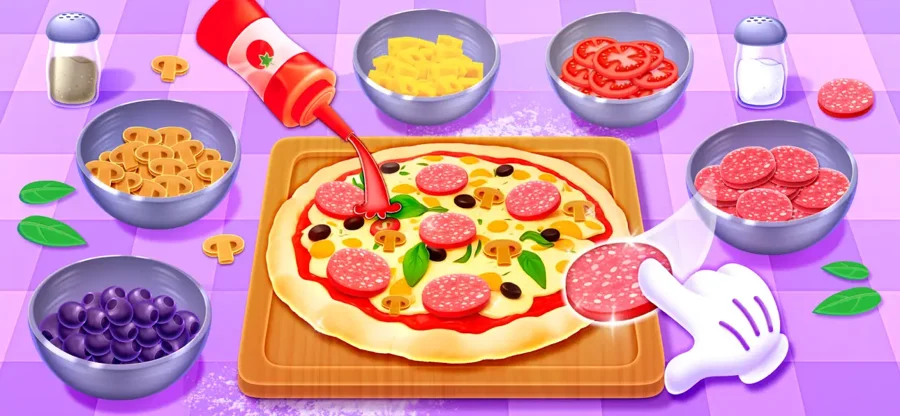
 Cooking

Kids cooking games 2+ year old
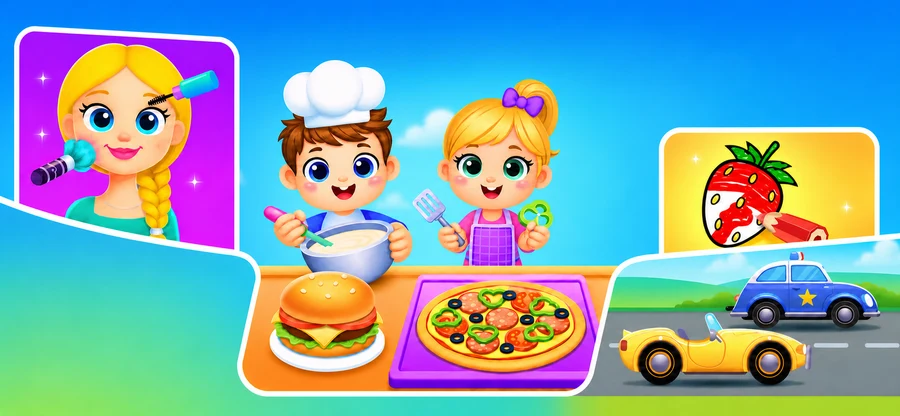
A pretend-play kitchen where toddlers cook pizza, burgers, cakes and more.
Between two and eight, what a child can do on a screen changes almost every season: a two-year-old is mastering the deliberate tap while an eight-year-old designs a whole outfit collection on purpose. This hub explains the differences and links to a dedicated page for every age.
Cooking
A pretend-play kitchen where toddlers cook pizza, burgers, cakes and more.
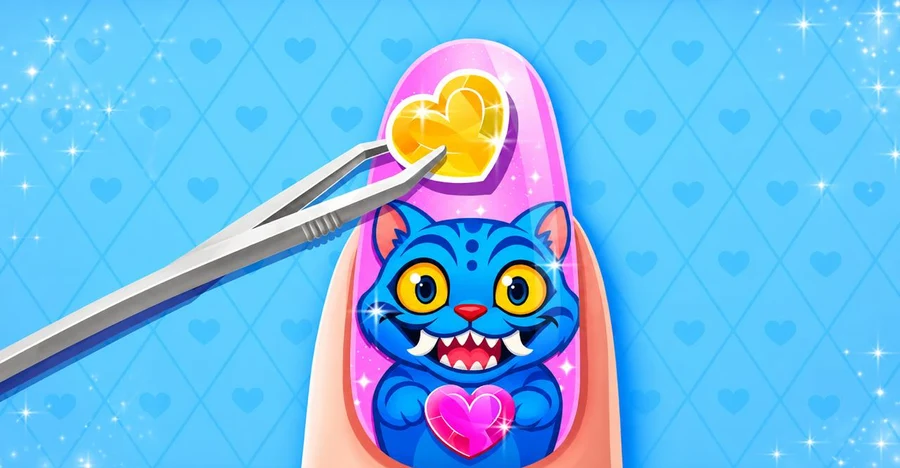 Beauty Salon
A nail-art studio for little designers: polish, gems and stickers on tiny nails.
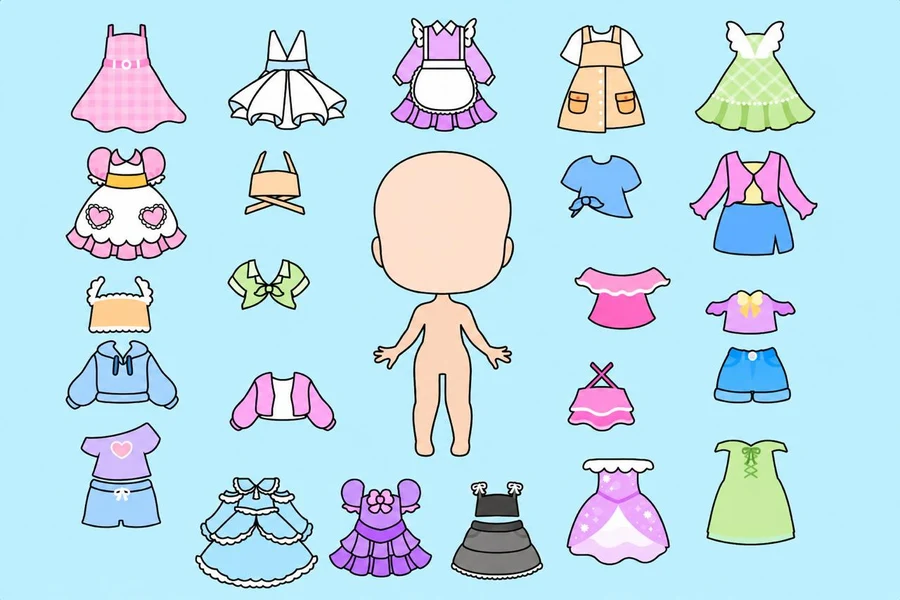 Dress Up
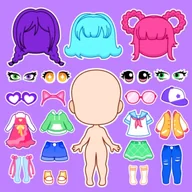
A chibi doll dress-up studio with hundreds of outfits, hairstyles and accessories.
 Learning
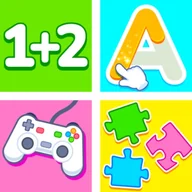
A collection of learning mini-games: letters, numbers, colors, shapes and puzzles in one app.
Toddlers (roughly ages 2–4) play through single gestures and instant feedback: tap, hold, watch something delightful happen. Preschoolers (ages 3–5) start chaining steps, browsing menus and finishing small projects. From six, children arrive with an intention and use a game to execute it — which is why open-ended creative titles keep working while first-tap games get outgrown.
Below is how we match games to each age, based on the controls and reading requirements of every title. Each age also has its own page: games for 2-year-olds, games for 3-year-olds, games for 4-year-olds, games for 5-year-olds, games for 6-year-olds, games for 7-year-olds and games for 8-year-olds.
One honest note about the shape of our catalog: most JNH titles are designed for ages 2–5, and the selection narrows as the ages go up. The games on the 6, 7 and 8 pages are the open-ended ones — design studios, DIY workshops and story play — that a child grows into rather than out of.
| Age | Controls that work | Reading | Session style | Good JNH matches |
|---|---|---|---|---|
| 2 | Single taps, tap-and-hold | None — pictures only | 5–10 minutes together with a parent | Kids Cooking 2+, Coloring Book 2+ |
| 3 | Taps plus simple drags | None needed | 10–15 minutes, parent nearby | Nail Salon 2–5, Dentist Baby Games |
| 4 | Multi-step sequences, menu browsing | Not required | Short independent sessions | Beauty Salon, Supermarket |
| 5 | Precise drags, open-ended projects | Helpful but optional | Independent play with a clear stop point | Chibi Dolls, Smart Kids |
| 6 | Planned sequences, deliberate composition | Reading starts to help | Independent, project-shaped sessions | Math for Kindergarten, ABC for Kids |
| 7 | Fine control, saving and revisiting work | Fluent enough for menus | Self-directed, returns to old projects | Paper Doll DIY, Kids Stories |
| 8 | Precision and speed, personal style | Not a barrier | Short creative bursts between other interests | Fashion Stylist, Swipe Games |
Every game linked from this hub is free to download, works offline after installation and keeps optional purchases behind a parental gate. Almost all of them carry no advertising; each game page states that title’s ads status as declared on its store listing, alongside controls, reading requirements and store facts.
Start with the age-3 page, then borrow from age 2 if your child is new to screens, or from age 4 if they already navigate menus confidently. The age on the box matters less than what your child can comfortably do.
No — store content ratings (like 4+) classify content, not design difficulty. Our age guidance describes which controls and play structures suit each age.
Because we build for the youngest end first. The titles that carry into school age are the open-ended ones — dress-up studios, DIY workshops, story play — where the child, not the game, sets the goal. We list only those rather than padding the pages.
The toddler games hub covers ages 2–4 broadly, and preschool games covers 3–5 — use them when you want a wider selection than a single age.